School goal two

To improve literacy skills for all learners.
How does the Integration of whole class instruction, small group learning and targeted interventions - grounded in best practices and current literacy research - enhance oral language development and overall literacy achievement for all students?
At Brentwood Elementary, our school goal continues to center on enhancing student literacy through responsive instruction and differentiated strategies that meet the diverse needs of our learners. Informal assessments, FSA data, report card analysis, and classroom observations reveal encouraging progress among reluctant writers in the primary grades, suggesting that targeted interventions are having a positive impact.
Focus remains in intermediate literacy, particularly with writing output and engagement. Additionally, our SLP and kindergarten educators notice the need to support social and oral language among children aged 4 to 6, highlighting a critical area for early intervention.
These findings reinforce the importance of prioritizing oral language and storytelling as key foundations of literacy. Oral language skills support not only reading and writing development, but also social connections, cultural understanding, and effective communication. Strong oral proficiency often leads to improved written expression, making it an important focus to support literacy growth across all grade levels.
This goal and focused inquiry question aligns directly to our district strategic priority in Literacy. Additionally, our intended approaches are deeply connected to the First Peoples Principles of Learning, specifically that:
- Learning is holistic, reflexive, reflective, experiential, and relational (focused on connectedness, on reciprocal relationships, and a sense of place).
- Learning is embedded in memory, history, and story.

First Peoples Principles of Learning

The Literacy Goal needs to ensure that:
- Learning is holistic, reflexive, reflective, experiential, and relational (focused on connectedness, on reciprocal relationships, and a sense of place).
- Learning is embedded in memory, history, and story.
Over the course of the year, the following will be our direct areas of focus:
- Continue building teacher capacity in oral language instruction:
- Intermediate literacy sharing sessions;
- Early learning literacy series – Shelby Pollitt K-3
- Access to programs that explicitly link speech to print.
- Continue to support students in progressing toward proficiency in literacy:
- Use reporting data to monitor literacy progress each term;
- Use class profile meetings and Lit focused meetings each month to monitor literacy growth and provide support where needed;
- Provide and assign targeted intervention every 6-8 weeks;
- Protected learning time; and
- Exposure to rich literacy environments.
- Create more opportunities to experience oral language instruction with storytellers:
- Invitation to elders to share stories;
- Theatre group presentations;
- Special guests; and
- Role modeling from school staff.
- Continue to use oral language strategies such as story workshop, partner talk, and play, etc.
- Incorporate First Peoples Principles of Learning – cultural knowledge and social value of oral storytelling; and
- Enhancement Agreement Goal: W̱ SÁNEĆ, other First Nations, Métis and Inuit students will experience academic success while maintaining a strong cultural identity.


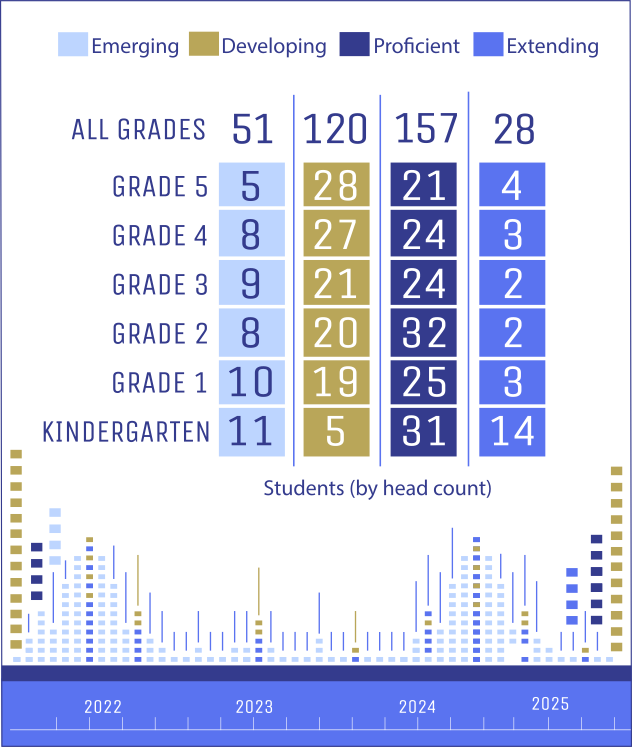
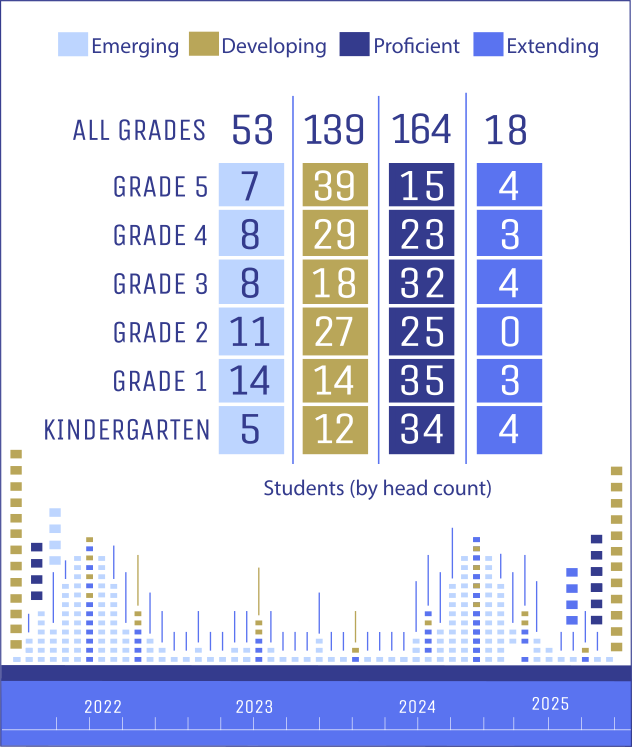
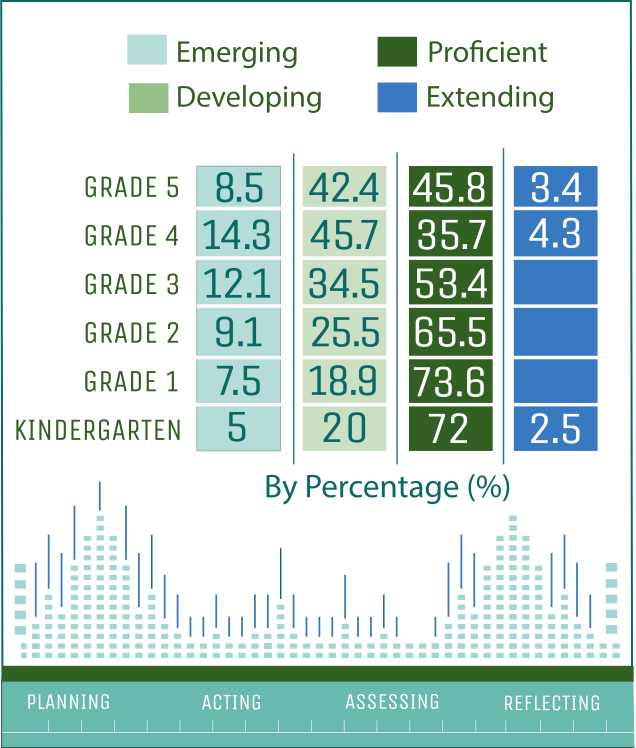
Learner progress in literacy is evident through multiple data sources. Those sources include: report card data, DLA (District Literacy Assessment) results, profile meetings, and literacy intervention tracking.
2024 Literacy Results (%)
The intervention model has been successful in:
- Delivering current, research-based literacy practices within classrooms
- Providing targeted interventions to support individual student needs
This approach is helping to maximize literacy achievement across grade levels. Over the 2025-26 year, we will track progress on our initiatives identified in this year’s plan. And, specifically:
- Class profile meeting- bi annual review of academic and SEL strengths and stretches with Inclusion support team (IST, counselor, admin, Ell, SLP, Psychologist, Literacy intervention) to guide term to term interventions in the area of literacy, and support using the 3 tiers of intervention model and track over the year;
- Report card and DLA : data from previous year and current year to observe the oral language/literacy growth;
Summary learning, based on evidence gathered over the year, will provide us with key learnings to guide next steps for the 2025-26 school year and beyond.